
Why the Right Design Can Unlock a Completely New Tier of Clientele
Most founders have been staring at their brand for years: building it, refining it, working in it. Which means, by nature, they’re close. Too close.
That closeness makes it hard to see what others see. Especially someone who’s encountering your brand for the very first time. Someone who doesn’t know your credentials, your results, or your competitors. Just a logo. A website. A tone.
In the luxury space, those first impressions aren’t just cosmetic. They determine whether a high-net-worth customer sees you as a brand worth trusting, or passes you over entirely.
This was the starting point for one of our favorite brand strategy agency transformation projects to date: helping a well-regarded boutique brand reposition itself for an ultra-high-net-worth (UHNW) audience and double its average deal value. Here’s how we did it—without sacrificing their identity or alienating their loyal customer base.
The Shift: From High-Net-Worth to Ultra-High-Net-Worth
Let’s be clear… this company already had traction. They were doing well, had a stellar service, with solid awareness. But they saw an opportunity: to move upmarket and appeal to an even more exclusive clientele.
It wasn’t about fixing a broken brand. It was about evolving a good one into something truly exceptional.
And for UHNW individuals, the standards are different. These are people whose lives are filled with subtle signals… details most consumers never notice. Their expectations are shaped by brands like Aman, Loro Piana, and Condé Nast Traveler. They’re fluent in the language of refinement. And they expect the brands they trust to speak it too.
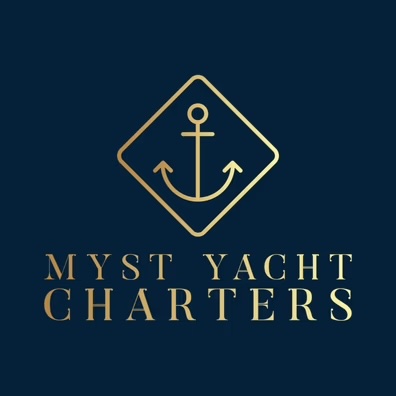
[Before | After]
Designing for Perception, Not Just Preference
Every element of the visual identity needed to be reevaluated – not because it was wrong, but because it spoke to a different audience than the one they were now targeting.
We began with a deep brand audit and competitive analysis, identifying two dominant aesthetics in UHNW visual culture:
-
Quiet Luxury: minimalism, restraint, sans-serif typography, elevated whitespace
-
Traditional Luxury: intricate details, serif fonts, craftsmanship, bespoke design cues
The brand already leaned modern, so we amplified that with purpose:
-
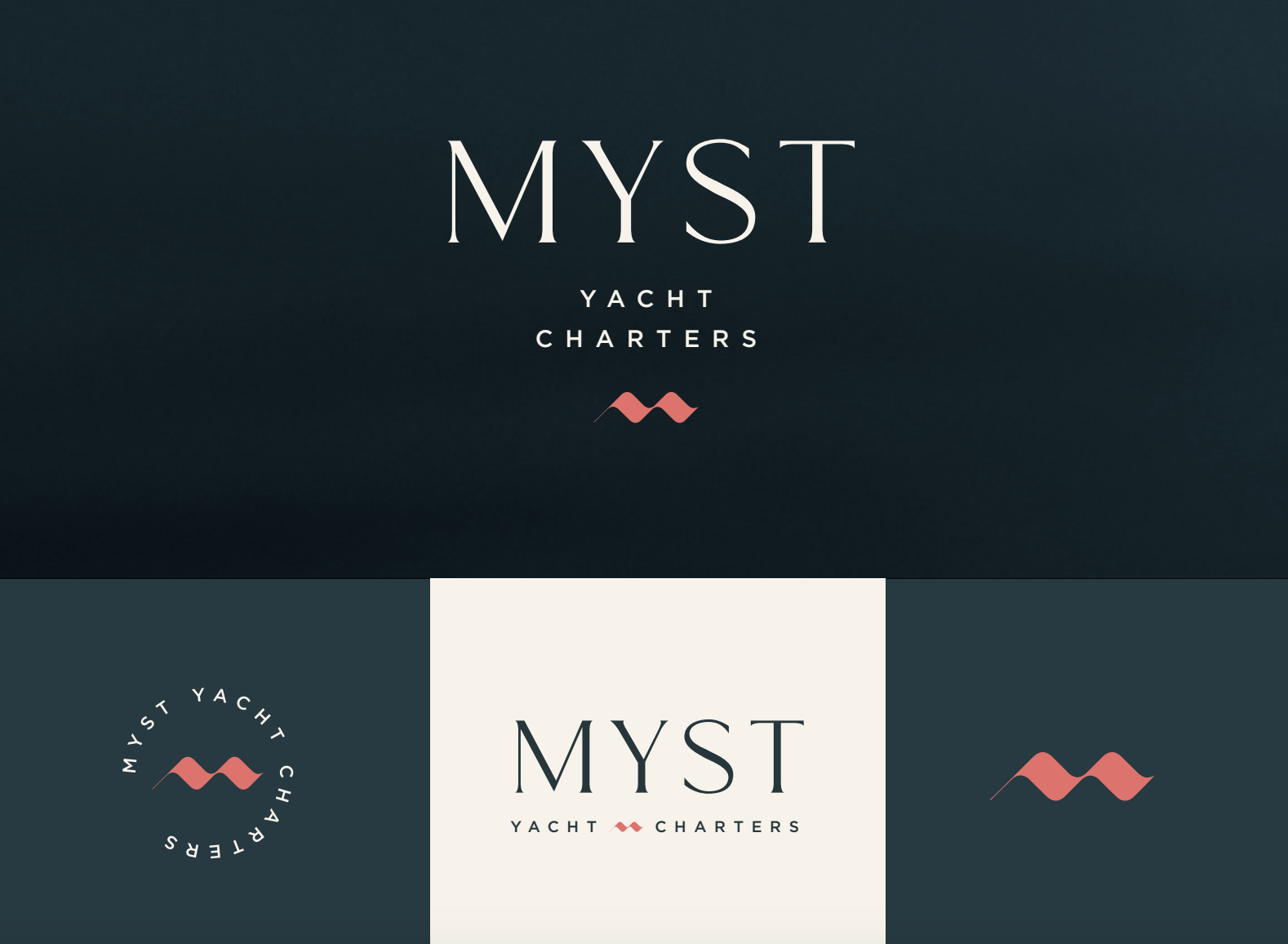
A sleek, refined wordmark using a custom sans-serif typeface
-
A clean brand icon that could stand alone across digital and physical touchpoints
-
A palette designed to disrupt expectation – moving away from overused nautical blues toward a deep seafoam and a coral pink inspired by high-end resortwear and tropical architecture
The result? Immediate visual differentiation. The kind of design that quietly announces, “This isn’t just another option. This is the option.”
[After]
Rewriting the Brand’s Soundtrack
When people hear “sound” in branding, they often think of sonic logos or audio signatures. But the most important “sound” is actually your language… how your brand speaks in words.
In this case, the brand’s original voice was clear, friendly, and functional. But for UHNW clients, that kind of straightforward utility can feel transactional. We needed to shift from explaining the product to evoking the experience.
For example:
-
“Browse our inventory” became “Gain access to the world’s most exclusive yachts”
-
FAQ sections shifted from price-based questions to themes of privacy, personalization, and seamless concierge-level service
Same offering. Entirely different vibe.
From Selling a Product to Selling a Feeling
Here’s something most travel brands get wrong: they focus too much on the asset and not enough on the outcome.
Early visuals on the site were dominated by yachts themselves: technical angles, aerial shots, sleek hulls. Beautiful, but decontextualized. To a prospective client unfamiliar with yachting, one vessel can look much like another.
And more importantly, a yacht isn’t the thing being bought.
The feeling is.
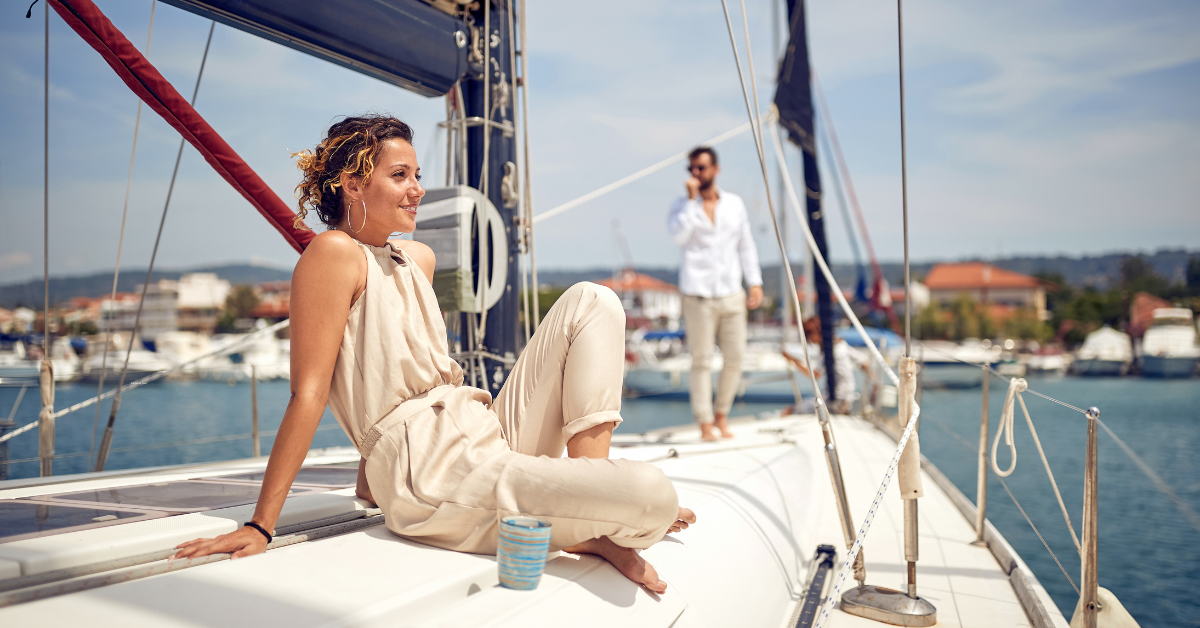
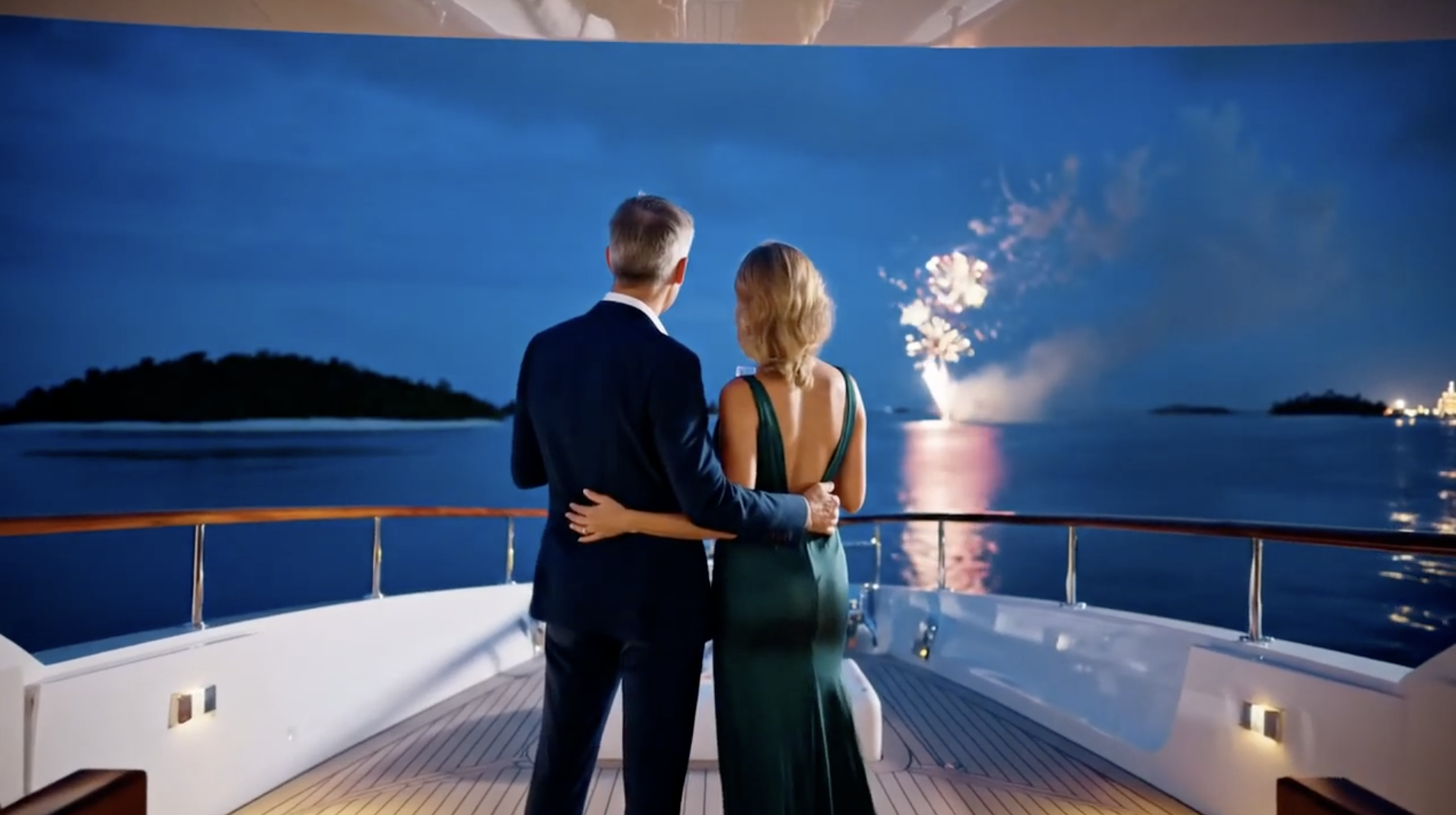
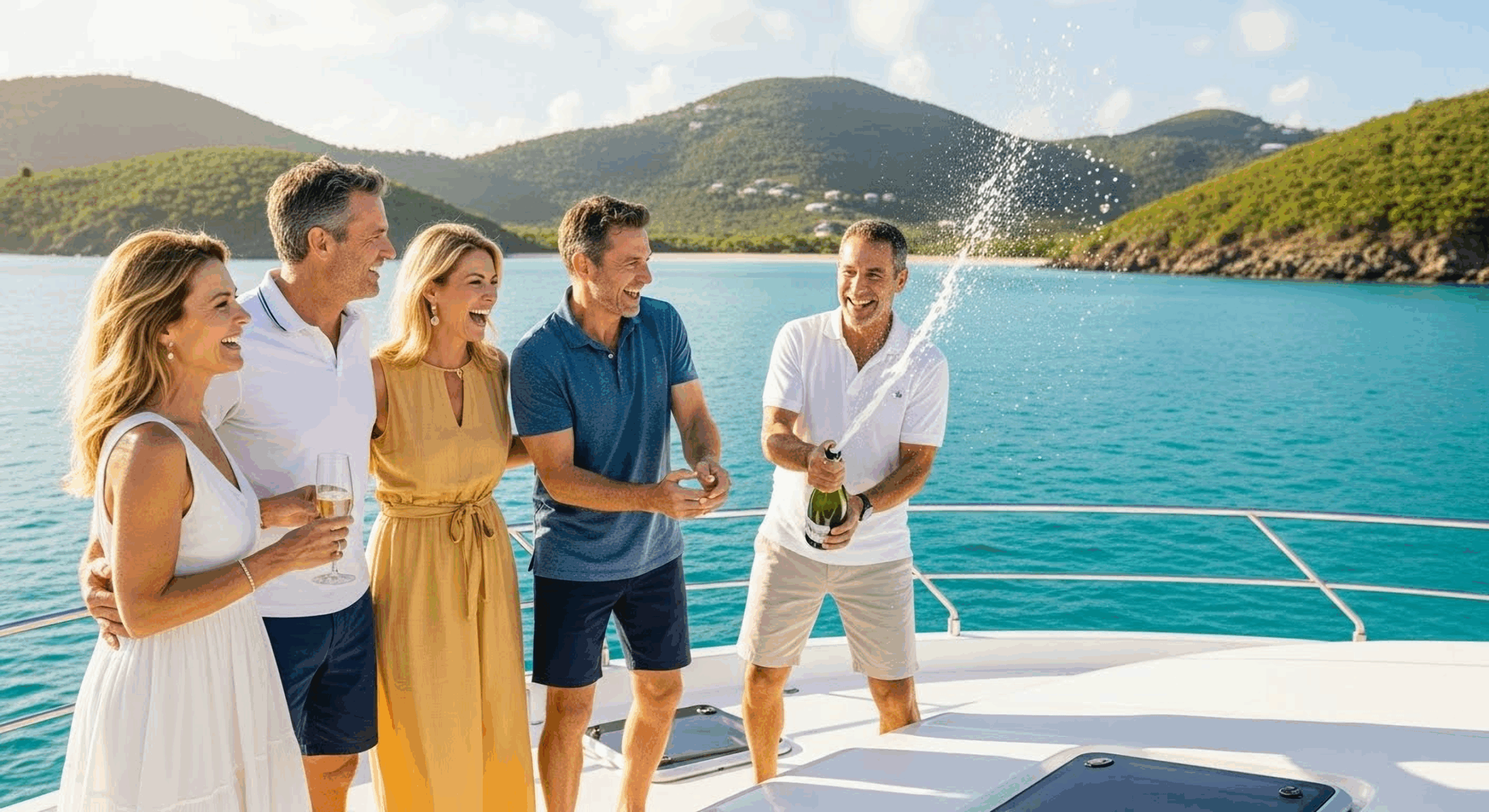
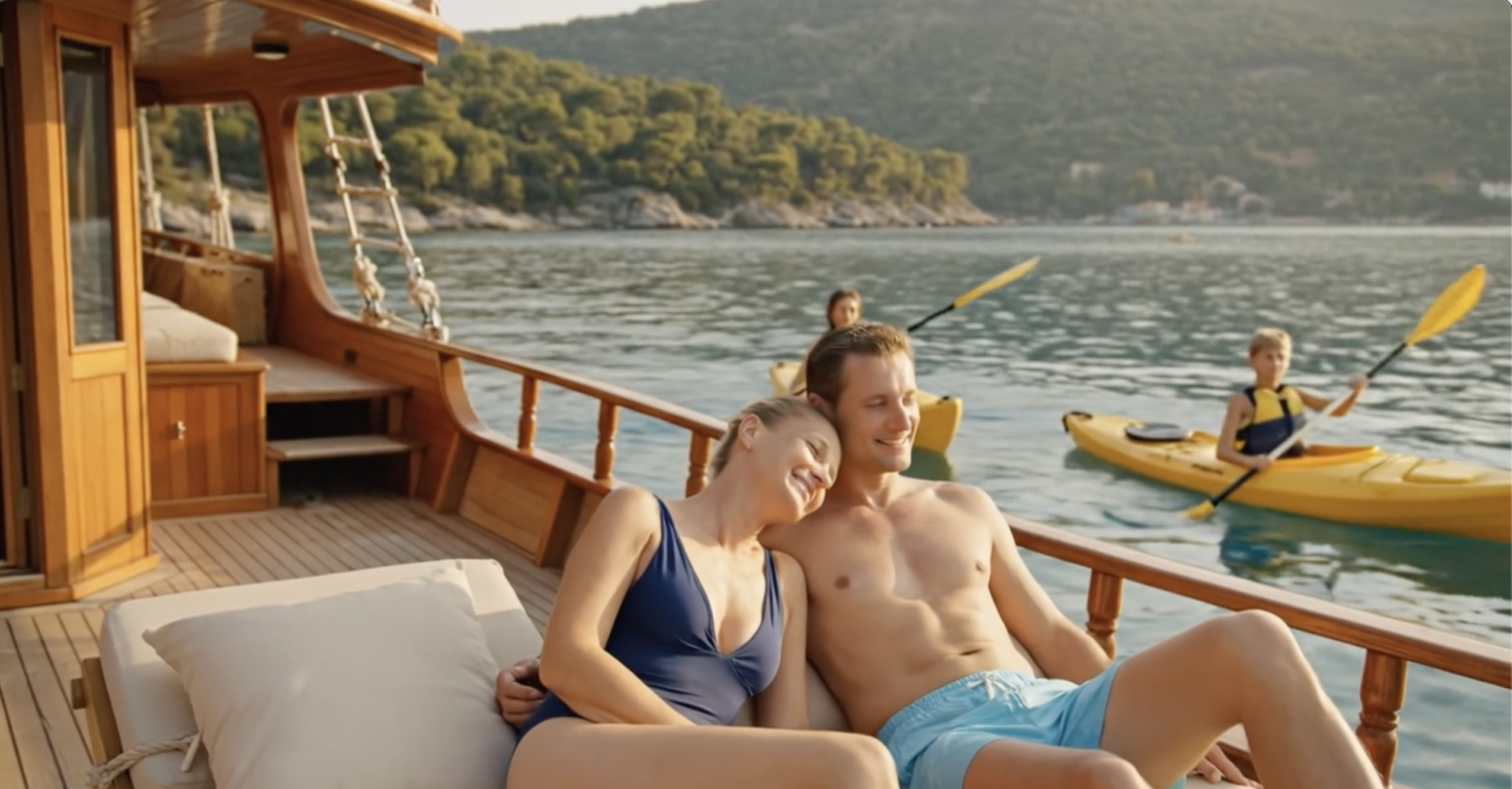
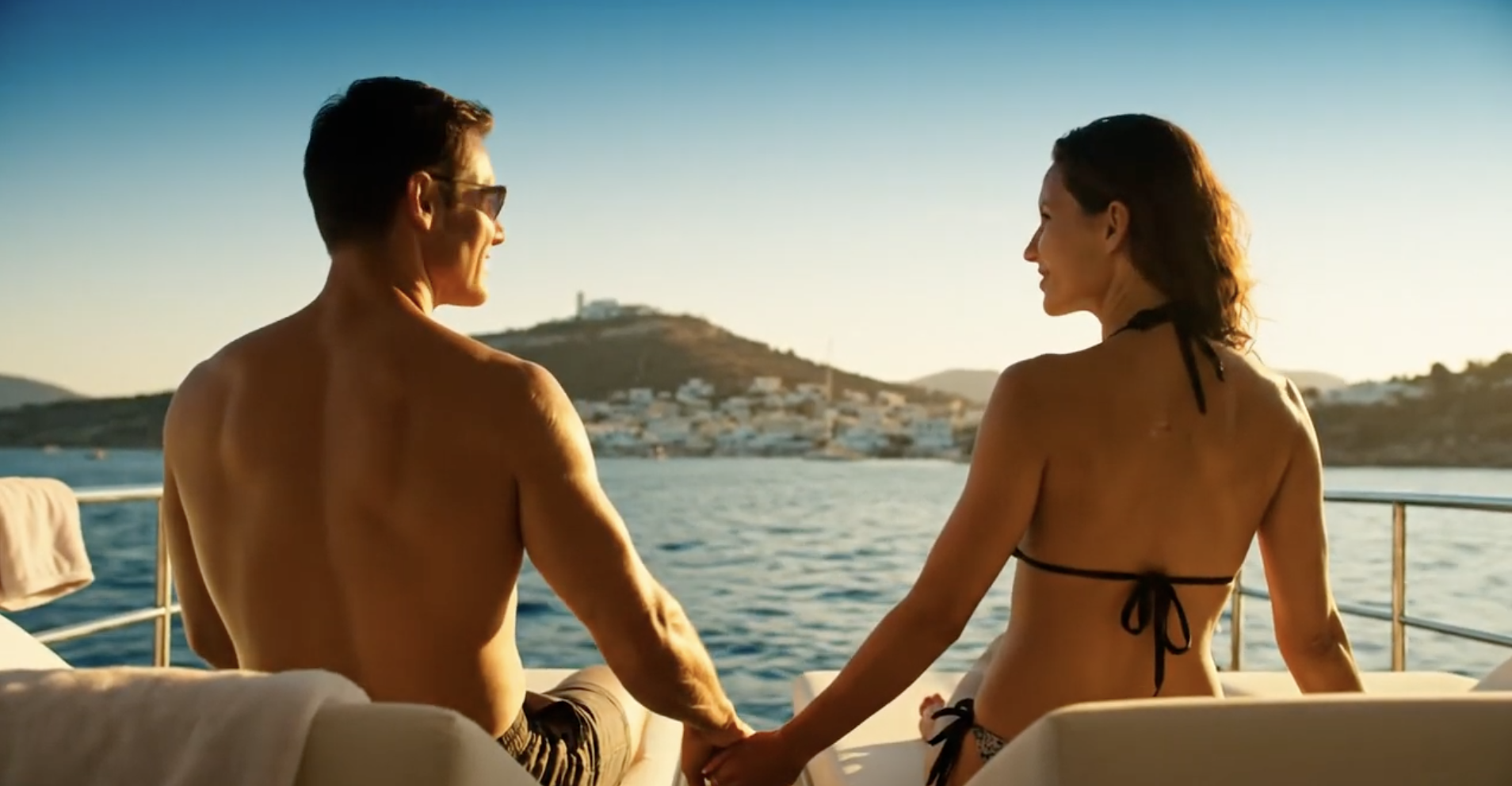
So we replaced product shots with lifestyle moments:
-
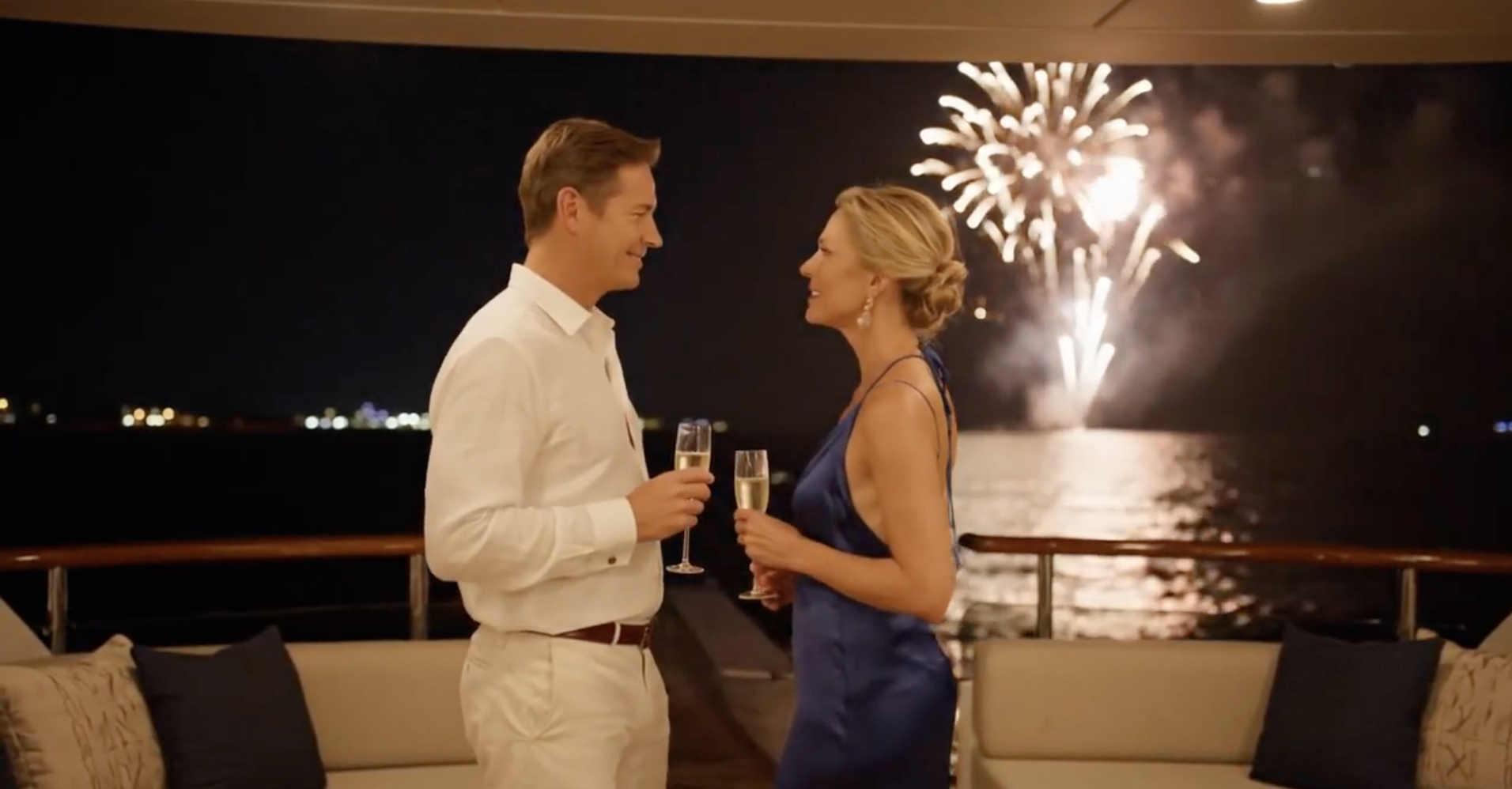
Champagne toasts on deck as fireworks explode over the ocean
-
Paddleboarding with the kids in a private cove
-
A couple in formalwear watching the sun set in quiet luxury
These are emotional blueprints. And in the absence of first-hand experience, that’s what helps a UHNW buyer envision the value of something unfamiliar.
The Biggest Barrier: No Photos. No Problem.
Of course, shooting luxury lifestyle content on a $100K+/week yacht isn’t exactly accessible. Vessels are booked out. Weather is unpredictable. And stock photos are recycled across the entire industry.
That was our creative challenge. Our solution? AI-generated visuals.
We used generative tools to craft hyper-realistic images that:
-
Captured exactly the mood and moments we wanted to convey
-
Could be tailored to different seasons and charter types (New Year’s Eve, summer in the Med, etc.)
-
Were unique to the brand and instantly differentiated from competitors
We even redesigned their newsletter to incorporate these visuals: reducing clutter, highlighting only the most relevant itineraries, and leading with emotion-forward imagery.
Borrowing Cues From Brands They Already Trust
One of the most impactful decisions we made was to study the other brands our UHNW audience already engaged with – particularly luxury travel publications.
We drew inspiration from Condé Nast Traveler, building a visual hierarchy and tone of voice that subtly aligned with that world. This was brand signaling at its finest. Leveraging established associations to elevate perception.
When someone arrives on your website and it feels like something they already admire, that credibility rubs off.
The Takeaway: You Don’t Have to Be Big to Look Elite
This brand didn’t have the global awareness of a mega-yacht broker. But with the right strategy, they didn’t need it. What they did have was clarity, adaptability, and a bold vision for where they wanted to go.
And that’s the real lesson here.
If you want to elevate your brand:
-
Speak your ideal client’s language: visually, verbally, and emotionally
-
Disrupt category norms with elegance, not ego
-
Design every touchpoint to signal the world they want to belong to
This transformation didn’t just make the brand look better. It made it feel inevitable.
Frequently asked questions
How does personalization influence UHNW clients’ perception of luxury brands?
Personalization helps UHNW clients feel understood without needing to explain themselves. Unlike typical consumers, these clients expect brands to anticipate their needs and reflect their identity.
Key personalization levers that influence perception:
-
Language: Swap generic terms like “browse options” for phrases like “your private collection” or “curated for you.”
-
Visuals: Use imagery that reflects their world. Think understated elegance, high-end leisure, and context-rich environments.
-
Navigation flow: Make the experience feel concierge-level. Fewer choices, higher relevance, more refinement.
-
Copy tone: Avoid over-explaining or hard selling. Assume fluency. Communicate with brevity, certainty, and warmth.
When personalization is done well, it conveys fluency in their world. The result is faster trust and increased emotional investment.
What role does exclusivity play in attracting ultra-high-net-worth clients?
Exclusivity is not a tactic. It’s a baseline requirement in UHNW branding. These clients are surrounded by scarcity-based offers and status-driven cues. A brand that feels widely available or generic loses authority quickly.
Why exclusivity works:
-
It creates belonging without broad appeal. UHNW clients are not looking for mass-market validation. They want signals that this brand is for them and few others.
-
It communicates trust. Discretion, private access, and limited availability all send cues of credibility.
-
It builds desire through removal. When an offer isn’t easily available, it earns attention by default.
How to embed exclusivity:
-
Use gated access, invitation-only messaging, or curated language like “by referral” or “for select clientele.”
-
Design with restraint. Avoid loud sales design cues.
-
Showcase rare or custom experiences, not commodities.
Exclusivity isn’t about ego. It’s about signaling that you understand what this client values and that your offer isn’t trying to please everyone.
Why are bespoke experiences more effective than standard marketing for HNWIs?
Bespoke experiences are effective because they collapse the emotional distance between offer and outcome. Standard marketing often asks the customer to imagine what the experience might feel like. Bespoke marketing shows them.
Reasons bespoke marketing outperforms traditional tactics:
-
It eliminates friction. Tailored experiences remove irrelevant noise and allow the client to focus on resonance.
-
It signals elevated service. UHNW clients associate custom execution with premium delivery.
-
It creates emotional clarity. Visuals, language, and touchpoints are all designed to evoke the feeling before the purchase.
Best practices:
-
Replace product-centric visuals with story-driven, experience-rich moments (e.g. firework shows from the bow, champagne on a private deck).
-
Develop visual identity that mirrors their world. This could include AI-generated images when shoots aren’t feasible.
-
Remove mass-market indicators. Prioritize depth over breadth in all messaging.
A bespoke experience does not need to be complex. It needs to be deliberate and emotionally intelligent.
How can luxury brands balance traditional and experiential marketing strategies?
Balancing traditional and experiential marketing means using broad tactics to generate awareness and immersive tactics to create affinity.
Strategy breakdown:
Use traditional marketing to:
-
Build visibility with UHNW-adjacent audiences (e.g. print placements, partner sponsorships, high-end event presence)
-
Create frequency and familiarity over time
-
Retarget warm audiences with aligned offers
Use experiential marketing to:
-
Create emotional buy-in through sensory-rich digital or real-world moments
-
Build trust through subtle signals and consistency
-
Reinforce your identity and pricing without saying it directly
What works best:
-
Use a familiar luxury reference point (like Condé Nast Traveler) as your visual North Star
-
Ensure every paid ad leads to an environment that matches the visual and tonal expectation
-
Let traditional bring them in. Let experiential close the loop
In the luxury space, people may find you through a tactic. But they buy through a feeling.
What are the key differences in engaging HNWIs versus UHNWIs?
HNW and UHNW clients have overlapping financial capacity but fundamentally different expectations. UHNW clients are not aspirational. They are already inside the world most brands try to hint at.
Key distinctions:
| Feature | HNWI | UHNWI |
|---|---|---|
| Motivation | Aspiration | Alignment |
| Sales cues they respond to | Value, reputation | Access, discretion |
| Expectations | Premium experience | World-class, frictionless |
| Communication style | Informative | Refined, minimal |
| Brand tolerance | Will overlook inconsistencies | Will exit if a signal feels off |
Engagement strategies for UHNW clients:
-
Skip the pitch. Use design and language to signal belonging.
-
Lead with confidence. Remove uncertainty from every touchpoint.
-
Deliver consistency from ad to email to call.
The goal is not to impress. The goal is to reflect. When a UHNW client sees themselves in your brand, the decision becomes easy.